
The Future of Mobile Gaming: What Players Want in 2026
April 13, 202610 Mobile Games You Can’t Stop Playing Once You Start
April 27, 2026
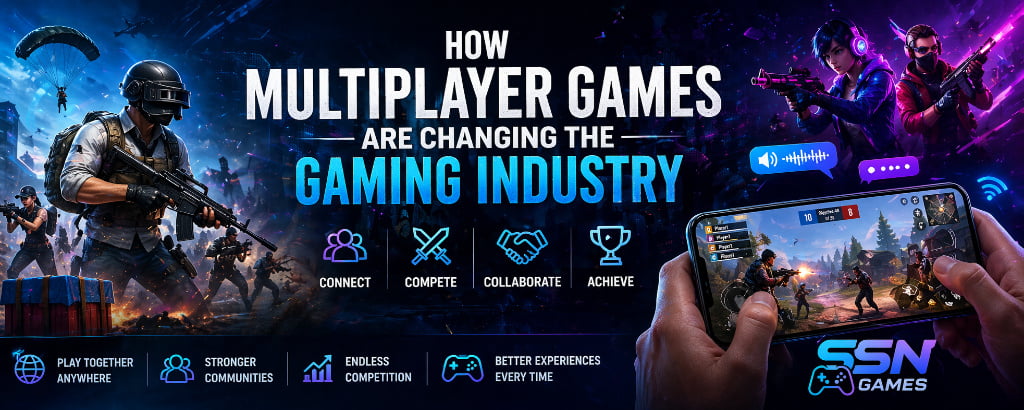
The gaming industry has gone through a massive transformation in recent years, and one of the biggest driving forces behind this change is multiplayer gaming. What was once a solo experience has now become a highly interactive, social, and competitive environment. In 2026, multiplayer games are not just a feature—they are the backbone of modern gaming.
Players today don’t just want to play games; they want to connect, compete, and collaborate with others across the world. This shift is redefining how games are designed, developed, and experienced.
Gaming is No Longer a Solo Experience
Earlier, gaming was mostly about individual progress and offline play. But now, multiplayer games have completely changed that mindset. Players enjoy teaming up with friends, competing against real opponents, and sharing their achievements in real time. This social interaction creates a stronger emotional connection with the game. It’s no longer just about winning—it’s about the experience of playing together. Whether it’s a battle royale match or a cooperative mission, multiplayer gaming keeps users engaged for longer periods.
Multiplayer Games Drive Higher Engagement
One of the biggest advantages of multiplayer games is their ability to keep players coming back. Unlike single-player games, which can feel repetitive after completion, multiplayer games offer endless possibilities. Every match feels different because real players bring unpredictability into the game. This dynamic nature increases replay value and keeps the experience fresh. Gamers are more likely to stay active in games where they can continuously compete, improve, and interact.
Real-Time Competition is Changing Player Behavior
Multiplayer gaming has introduced real-time competition, which has significantly changed how players approach games. Gamers are now more focused on improving their skills, climbing leaderboards, and achieving higher rankings. This competitive environment has also given rise to mobile esports. Players are no longer just casual gamers—they are becoming serious competitors. The thrill of competing against real people adds excitement and motivation that single-player games often lack.
The Rise of Community-Driven Gaming
Multiplayer games are not just about gameplay—they are about building communities. Features like in-game chat, voice communication, and social sharing have turned games into digital social platforms. Players form teams, join clans, and build friendships through games. These communities create loyalty, making players stick with a game for months or even years. A strong community can turn a simple game into a long-term success. This is where multiplayer games truly shine—they create a sense of belonging.
Technology is Powering Multiplayer Growth
The rapid growth of multiplayer gaming is supported by advanced technologies. Faster internet speeds, 5G connectivity, and cloud gaming have made real-time multiplayer experiences smoother and more accessible. Low latency and stable servers are critical for multiplayer games. Even a slight delay can affect gameplay and frustrate users. That’s why developers are investing heavily in backend infrastructure and optimization.
Multiplayer is Shaping the Future of Gaming
As multiplayer games continue to grow, they are influencing the overall direction of the gaming industry. Developers are now designing games with multiplayer features at the core rather than as an add-on. In fact, multiplayer gaming is becoming a key part of the future of gaming, where social interaction, competition, and collaboration define the player experience. Games are evolving into platforms where players can not only play but also connect, communicate, and create memories.
Monetization and Long-Term Player Retention
Multiplayer games also offer better monetization opportunities compared to traditional games. Since players stay engaged for longer periods, developers can introduce in-game purchases, battle passes, and seasonal updates. However, modern players prefer fair systems. Games that focus on balanced gameplay and optional purchases tend to build stronger trust and long-term success. Regular updates, new content, and events keep players excited and invested in the game.
Innovation and New Possibilities
Multiplayer gaming is opening doors to new innovations. From VR-based multiplayer experiences to cross-platform gaming, the possibilities are expanding rapidly. Developers are experimenting with new ideas to make multiplayer games more immersive and interactive. The focus is shifting toward creating unique experiences that stand out in a competitive market. We are SSN Games, and we specialize in building innovative multiplayer gaming solutions using cutting-edge technology, delivering experiences that are engaging, fast, and future-ready.
Conclusion
Multiplayer games are no longer just a trend—they are transforming the entire gaming industry. From increasing player engagement to building global communities, multiplayer experiences are redefining how games are played and enjoyed. As technology continues to evolve, multiplayer gaming will only become more powerful and immersive. Developers who understand this shift and focus on creating connected, high-performance experiences will lead the industry. In today’s gaming world, playing alone is optional—but playing together is the future.